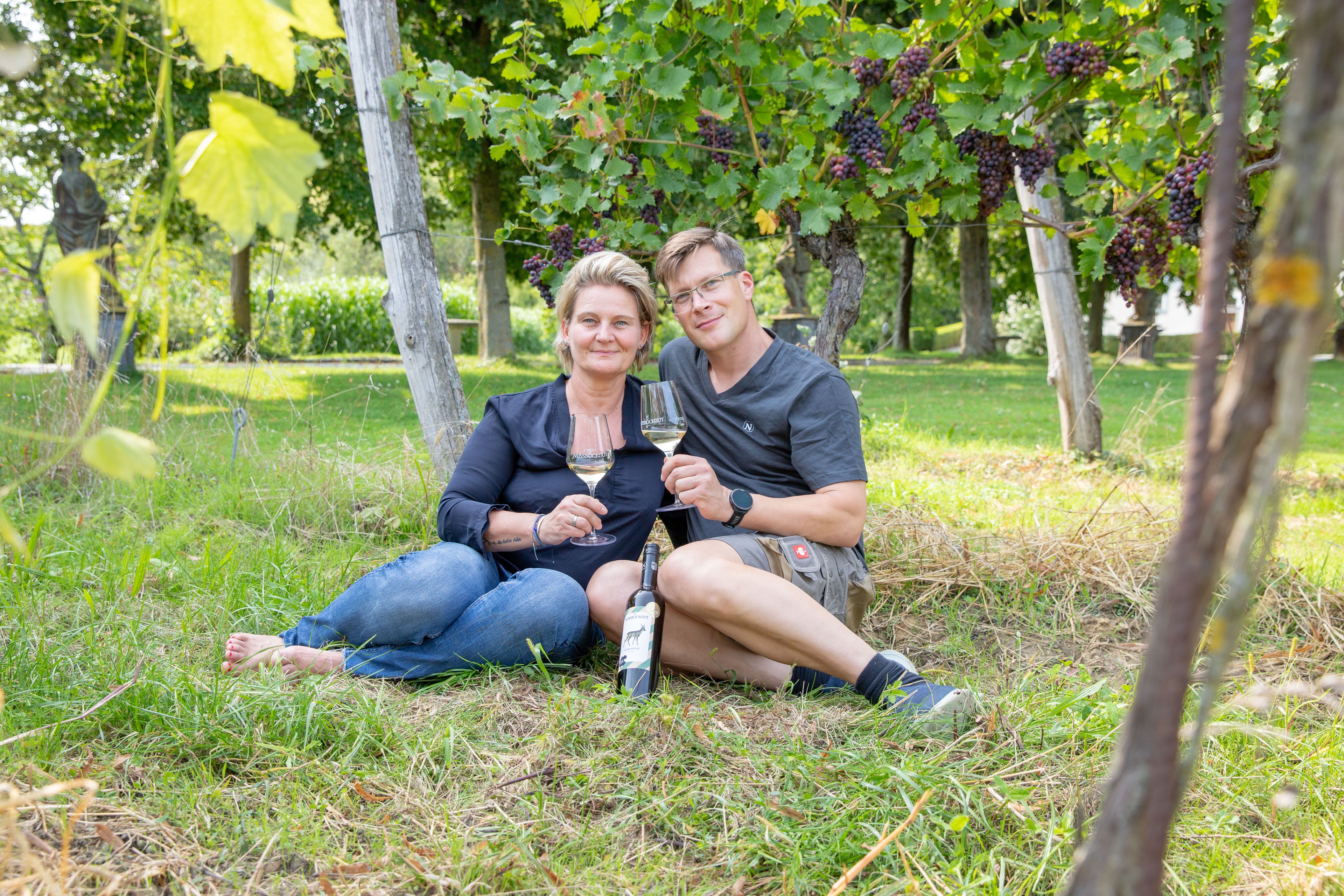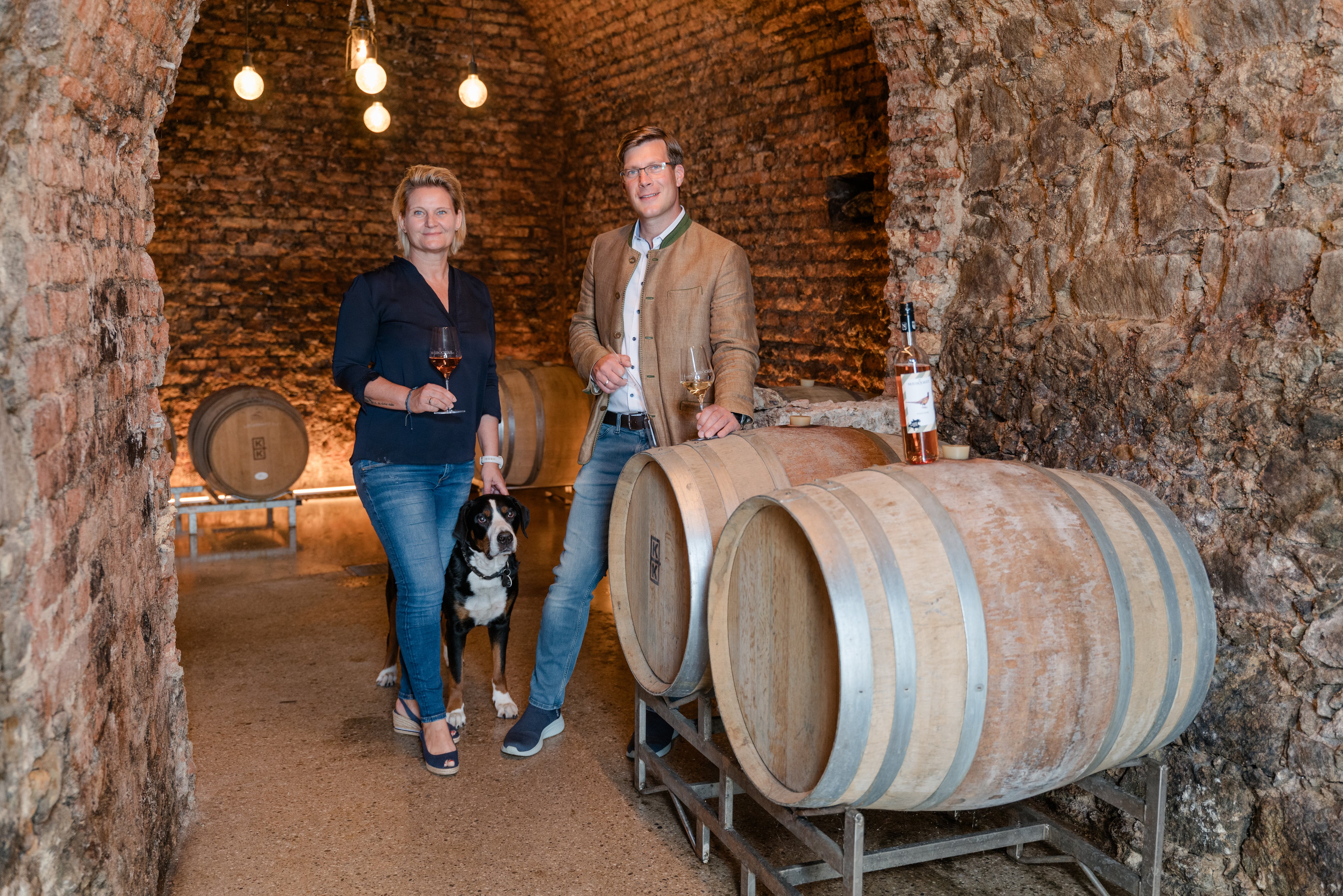
The Nussböck estate
 History of the Nussböck estate
The Nussböckgut estate is located in the heart of Upper Austria, in the Gaumberg district of Leonding.
It was first documented in 1323, although the property is likely much older and probably dates back to Germanic settlers. The house name comes from the word Nuzpach, which was already referenced in the historical "Passau Urbar" (land register). Even Hans Kudlich used the Nussböckwald (Nussböck Forest) as a meeting place during the Peasants' War.
Throughout its history, the Nussböck estate has undergone significant changes in its agricultural practices. In bygone days, dozens of servants worked on the estate, tending to livestock and crops. Manual labor was gradually replaced by mechanization. The diverse agricultural system, with its many different farm animals, vegetable and fruit gardens, and small-scale arable farming, gave way to specialization.
Since Austria's accession to the European Union, a renewed structural transformation has begun in Austrian agriculture. Farms with a similar or smaller land area than the Nussböckgut estate can no longer be sustained through conventional full-time farming.
The then-owner of the Nussböck estate demonstrated pioneering spirit and innovative drive by returning to the roots of its heritage. Around the turn of the century, white asparagus was already being cultivated in the estate's garden, but this disappeared during the turmoil of the First World War. Since 1987, the focus has been consistently on green asparagus, grown exclusively in the Leonding Green Asparagus Culinary Region surrounding the estate and marketed regionally directly from the farm and to restaurants in the greater Linz area.